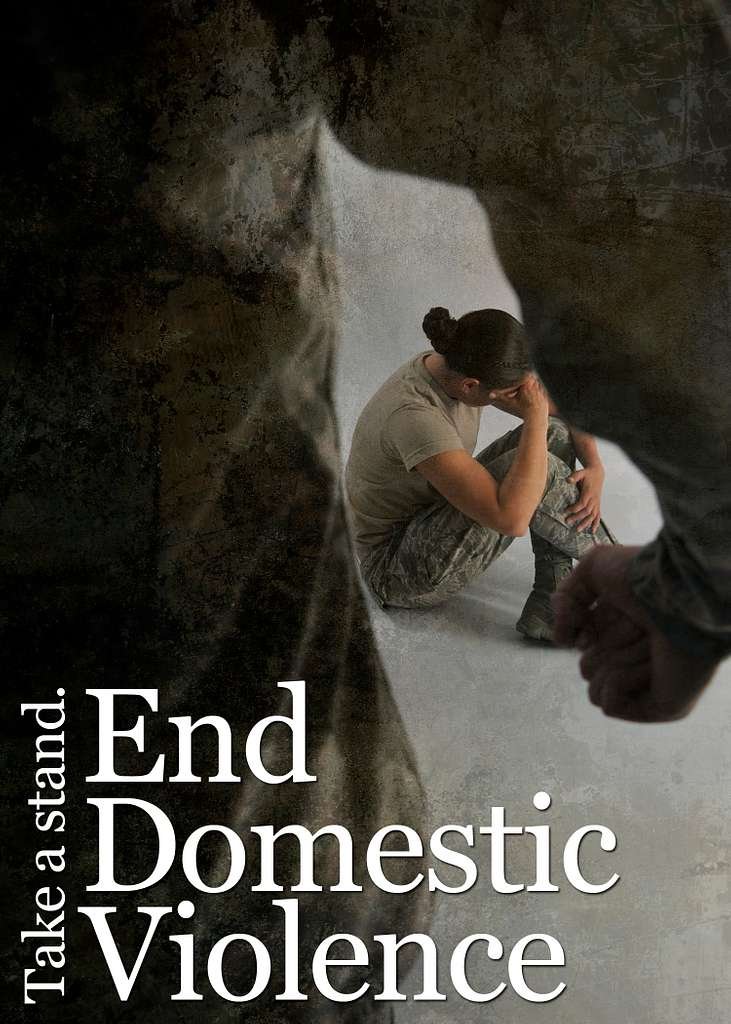
Gender plays a significant role in shaping the dynamics of substance abuse and domestic violence. Men and women experience these issues differently in terms of perpetration, victimization, and access to support. Understanding these distinctions is essential to designing effective prevention and intervention strategies.
This blog delves into the gendered nuances of substance abuse and domestic violence, highlighting differences in experiences, societal expectations, and the systemic barriers faced by men and women.
Gender and Domestic Violence
1. Men as Perpetrators
Studies show that men are more likely to be perpetrators of physical and sexual violence in intimate relationships.
Factors Contributing to Male Perpetration:
Societal norms that equate masculinity with dominance.
Higher rates of substance abuse, which can exacerbate aggressive behaviors.
Limited emotional support, leading to unhealthy coping mechanisms.
2. Women as Victims
Women are disproportionately affected by domestic violence, experiencing higher rates of severe physical injuries and emotional trauma.
Challenges for Female Victims:
Fear of retaliation or further abuse if they seek help.
Economic dependency on abusive partners.
Societal stigmas that discourage women from leaving or reporting abuse.
Gender and Substance Abuse
1. Substance Use Among Men
Men are statistically more likely to use and abuse substances, such as alcohol and illicit drugs.
Impact on Domestic Violence:
Alcohol and drug use can lower inhibitions and increase aggression, leading to higher incidences of domestic violence.
Men often use substances to self-medicate for unresolved trauma, which may manifest in abusive behaviors.
2. Substance Use Among Women
Women’s substance abuse patterns are often linked to trauma, including experiences of domestic violence.
Unique Challenges for Women:
Higher likelihood of co-occurring mental health issues, such as depression and anxiety.
Greater social stigma, which may deter them from seeking help.
Risk of victimization, as substance use can make them more vulnerable to exploitation.
Intersectionality: The Influence of Gender Norms and Societal Expectations
Cultural Norms: In many cultures, men are discouraged from showing vulnerability, which can hinder their willingness to seek help for substance abuse or abusive behaviors.
Economic Inequality: Women’s financial dependency often traps them in abusive relationships, especially if substance abuse is a factor.
Parenting Pressures: Mothers struggling with addiction or abuse face additional judgment and barriers to accessing support.
Prevention Strategies for Domestic Violence in Substance Abuse Programs
1. Integrating Education on Healthy Relationships
Substance abuse programs should include modules that educate participants on:
Recognizing abusive behaviors.
Building healthy, respectful relationships.
Understanding the impact of substance use on intimate dynamics.
Real-Life Example
Programs like Safe Families Recovery combine substance abuse treatment with workshops on communication and conflict resolution, reducing the risk of future violence.
2. Trauma-Informed Care
Addressing the underlying trauma that often fuels both substance abuse and domestic violence is crucial.
Key Elements:
Creating a safe and supportive environment for participants.