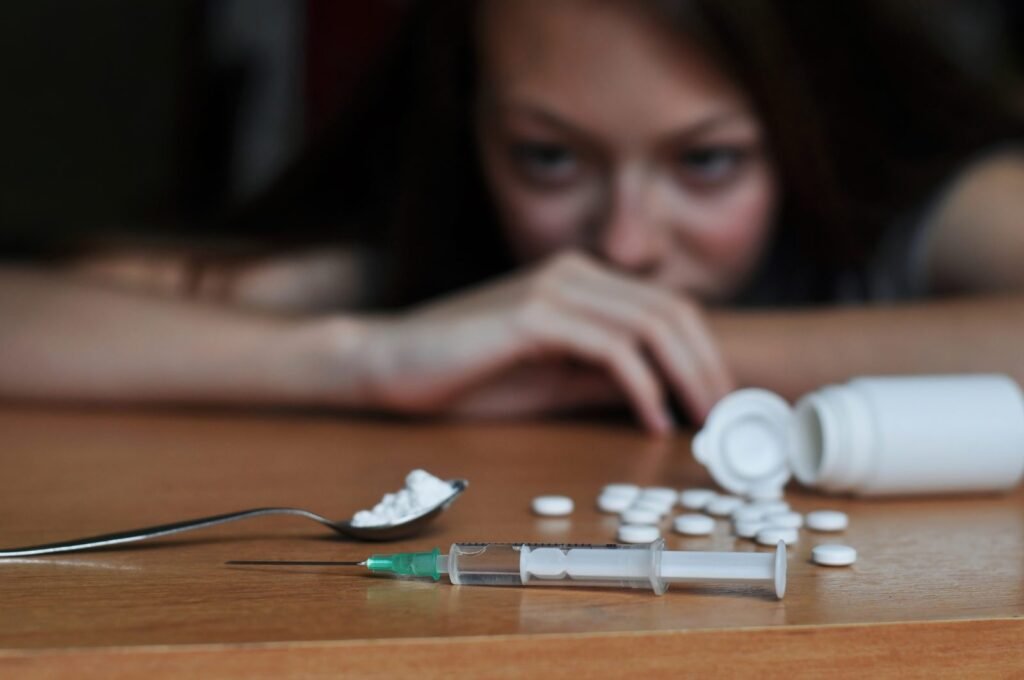
Domestic violence and substance use often intertwine, creating a dangerous cycle of abuse that is difficult to break. Substance use can amplify existing tensions in relationships, reduce impulse control, and exacerbate aggression, all of which may lead to increased instances of violence. Understanding the dynamics of this cycle is critical for developing effective interventions and supporting those affected.
In this post, we explore the connection between substance use and domestic violence, examine how this cycle perpetuates itself, and offer insights from psychology and social work experts on addressing these co-occurring issues.
Understanding the Cycle of Abuse
The cycle of abuse typically follows a predictable pattern:
Tension Building: Stressors accumulate, leading to frustration and tension within the relationship.
Incident of Abuse: Tensions erupt into verbal, emotional, physical, or sexual abuse.
Reconciliation: The abuser may apologize or minimize the abuse, promising change.
Calm Period: A temporary lull follows, often referred to as the “honeymoon phase.”
Role of Substance Use in the Cycle
Substance use can intensify each phase of the cycle:
Tension Building: Substances may impair problem-solving abilities, leading to miscommunication and heightened stress.
Incident of Abuse: The use of alcohol or drugs can lower inhibitions, increase aggression, and result in violent outbursts.
Reconciliation: Substance use can lead to insincere apologies or increased manipulation.
Calm Period: The cycle may seem stable temporarily but is often disrupted by continued substance use.
How Substance Use Escalates Domestic Violence
1. Impaired Judgment and Impulse Control
Substances like alcohol and drugs impair the brain’s ability to make rational decisions.
Individuals under the influence may struggle to control their emotions, leading to violent reactions.
Studies show that intoxicated individuals are more likely to misinterpret neutral or benign situations as threatening.
2. Heightened Aggression
Certain substances, such as stimulants (e.g., cocaine, methamphetamine), are linked to increased aggression.
Alcohol, a central nervous system depressant, reduces self-awareness and enhances risk-taking behaviors, including acts of violence.
3. Dependency and Power Dynamics
In abusive relationships, an abuser may use substances to control or manipulate their partner.
Victims who develop a dependency on substances may feel trapped, fearing retaliation if they attempt to leave.
Insights from Experts
Psychological Perspectives
Dr. Anna Clarke, Clinical Psychologist: “Substance use acts as a disinhibition. While it doesn’t cause violence on its own, it significantly lowers the barriers that typically prevent individuals from acting on violent impulses.”
Dr. James Morales, Addiction Specialist: “Addiction and abuse are intertwined in a toxic feedback loop. Treating substance use disorders without addressing abusive behaviors often leads to relapse in both areas.”
Social Work Perspectives
Sarah Nguyen, Licensed Social Worker: “The power imbalance in abusive relationships is often magnified by substance use. Victims are left vulnerable as their abusers exploit their dependency to maintain control.”
Michael Turner, Crisis Counselor: “Victims face compounded trauma. They deal not only with physical or emotional abuse but also the chaos and unpredictability that substance use brings to the household.”
Breaking the Cycle
1. Integrated Treatment Programs
Dual Diagnosis Treatment: Programs that address both substance use and domestic violence simultaneously yield better outcomes.
Trauma-Informed Care: Recognizes the role of trauma in both substance use and abusive behaviors, ensuring sensitive and appropriate interventions.
2. Education and Prevention
For Perpetrators: Anger management, conflict resolution, and sobriety programs can reduce the likelihood of reoffending.
For Victims: Education on healthy relationships and substance abuse prevention empowers victims to seek help.
3. Support Systems for Victims
Hotlines and Shelters: Immediate safety and support for those in abusive situations.
Counseling and Therapy: Helps victims rebuild their self-esteem and address substance use issues.